Your tires are one of the most important safety components on your vehicle. They are the only point of contact between your car and the road, meaning every aspect of acceleration, braking, steering, and stability depends on their condition.
Proper tire maintenance doesn’t just improve performance, it plays a critical role in your safety, fuel efficiency, and overall driving experience. At CS Automotive, we often remind drivers that worn or damaged tires can turn a routine drive into a serious safety risk.
Knowing when to replace your tires comes down to three key factors: driving conditions, tread depth, and tire age. Understanding each of these can help you avoid breakdowns, improve handling, and stay safe on the road.
1. Driving Conditions Have a Major Impact on Tire Life
Not all tires wear the same way. Your daily driving environment plays a significant role in how quickly your tires degrade.
For example:
- Rough or uneven roads can accelerate tread wear
- Extreme heat or cold can weaken rubber compounds over time
- Frequent stop-and-go city driving wears tires faster than highway driving
- Poor road conditions can cause hidden internal tire damage
In harsher environments, tires may begin to deteriorate even before the tread appears fully worn.
This is why it’s important to regularly inspect your tires for early warning signs such as:
- Sidewall cracking or dry rot
- Bulges or bubbles in the tire
- Uneven wear patterns
- Loss of air pressure over time
Even if your tread looks acceptable, visible cracking or structural damage means the tire may no longer be safe to drive on.
2. Tread Depth: The Most Common Way to Measure Tire Safety
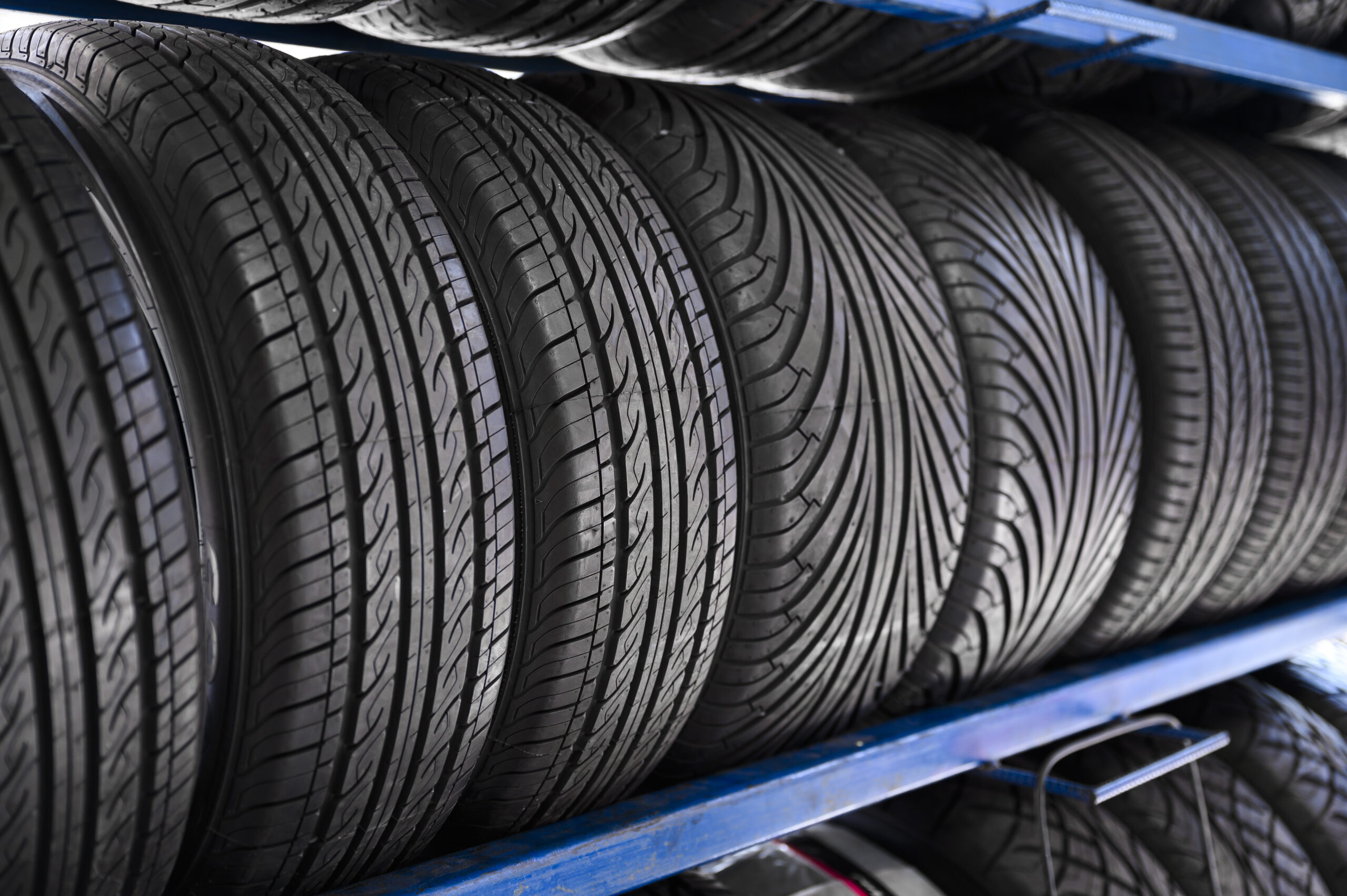
Tread depth is one of the easiest and most reliable ways to determine whether your tires need replacement. Tread is what allows your tires to grip the road, especially in wet, snowy, or slippery conditions.
A simple and effective at-home method to check tread depth is the penny test:
- Insert a penny into the tire tread with Lincoln’s head facing down
- If you can see the top of Lincoln’s head, your tread is too shallow
The minimum safe tread depth is 2/32 of an inch, but many safety experts recommend replacing tires before they reach this limit to maintain better traction and braking performance.
Additional signs of worn tread include:
- Reduced grip in rain or wet conditions
- Longer braking distances
- Uneven tread wear across the tire surface
- Vibration or noise while driving
While the penny test is helpful, a professional tire inspection is always the most accurate way to evaluate tire safety and performance.
3. Tire Age Matters More Than Most Drivers Realize
Even if your tires appear to be in good condition and still have usable tread, age alone can make them unsafe.
Over time, rubber naturally breaks down due to exposure to heat, sunlight, and oxygen. This process, known as dry rot, can weaken the tire structure from the inside out.
Most manufacturers and automotive experts recommend:
- Replacing tires every 6 years for optimal safety
- Avoiding use beyond 10 years, regardless of tread condition
Older tires may not show obvious damage but can still suffer from:
- Reduced flexibility and grip
- Increased risk of blowouts
- Hidden internal deterioration
Checking the tire’s manufacture date (found on the sidewall) is an important step in understanding its true age and safety level.
Don’t Wait Until Tires Fail
Tire issues often develop gradually, which makes them easy to overlook until they become serious. Regular inspections and preventative maintenance are the best ways to avoid unsafe driving conditions and unexpected repairs.
If you notice signs of wear, cracking, vibration, or reduced traction, it’s time to have your tires checked by a professional.
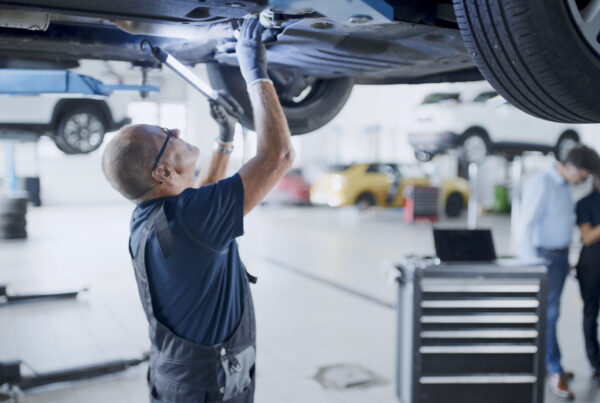
At CS Automotive, our technicians provide expert tire inspections, rotations, and replacement services to ensure your vehicle stays safe, stable, and road ready.
Staying ahead of tire wear not only improves safety, it also enhances fuel efficiency, handling, and overall driving confidence.